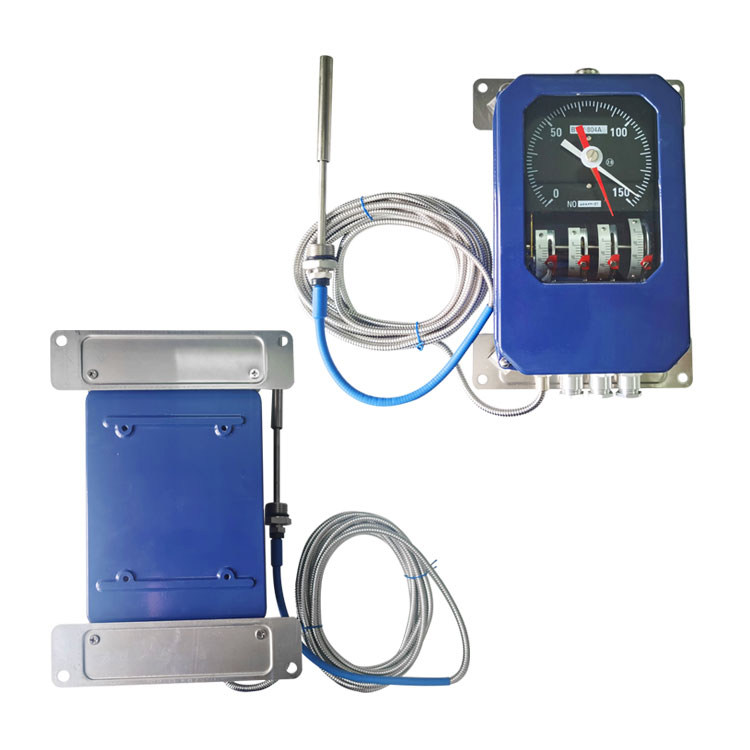
A Density Monitor is an electrical control device. It has an interactive relationship between the control system (also known as the input loop) and the controlled system (also known as the output loop). Usually used in automatic control circuits, it is actually an "automatic switch" that uses a small current to control the operation of a large current. Therefore, it plays the role of automatic adjustment, safety protection, and conversion circuit in the circuit.
Density Monitors are currently widely used in computer peripheral interface equipment, constant temperature systems, temperature regulation, electric furnace heating control, motor control, numerical control machinery, remote control systems, industrial automation devices; signal lights, dimming, flashers, lighting stage lighting control systems; instruments; Instruments, medical equipment, copiers, automatic washing machines; automatic fire protection, security systems, and power capacitor switches as power factor compensation for power grids, etc. In addition, they are widely used in chemical, coal mines and other occasions requiring explosion-proof, moisture-proof and corrosion-proof .
There are many types of Density Monitors, including electromagnetic (DC, AC), such as: AC contact, intermediate Density Monitor, time Density Monitor, current Density Monitor, voltage Density Monitor, etc.; mechanical type, such as reed Density Monitor, thermal Density Monitor, etc.; pressure type, such as gas Density Monitor , temperature Density Monitor, etc.
As a control element, to sum up, the Density Monitor has the following functions:
1) Expand the control range: For example, when the control signal of the multi-contact Density Monitor reaches a certain value, it can switch, break, and connect multiple circuits at the same time according to the different forms of the contact group.
2) Amplification: For example, sensitive Density Monitors, intermediate Density Monitors, etc., with a very small amount of control, can control circuits with high power.
3) Integrated signal: For example, when multiple control signals are input to the multi-winding Density Monitor in a specified form, the predetermined control effect can be achieved through comparison and synthesis.
4) Automatic, remote control, monitoring: For example, the Density Monitors on the automatic device together with other electrical appliances can form a program control circuit to realize automatic operation.
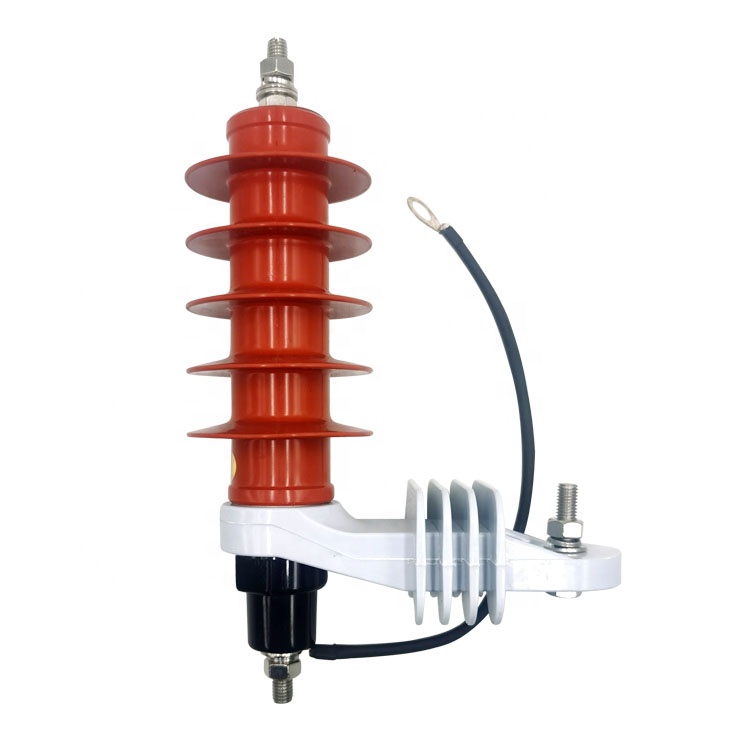 The Function of Lightning Arrester and How to Install it